

IN the 1970s, the British public faced what’s often referred to a crisis of expectations; a plethora of multifaceted issues led to a breakdown in the delivery of both public services and essential goods.
Strikes led to a shortage in foodstuffs, resulting in panic buying and, in response, rationing. Global instability and conflict in the Middle East caused oil prices to skyrocket, with industrial action in the coal industry culminating in a three-day working week to ration electricity. Stagflation and high inflation were rampant.
Today, after years of austerity and dire economic management from the Conservative government, people’s rightful impatience for change means we face a different crisis of expectations, instead of a crisis of delivery, the British public today is grasped by a crisis of immediacy.
The advent of social media, combined with a 24/7 news culture, has led to politics being more present and tangible in people’s everyday lives, which is a good thing and a far cry from the claimed malaise and disinterest of the early new millennium. Notifications – be it the BBC, your local MP, or a friend on Facebook – immediately communicates breaking news – the latest scandal, policy announcement, or in the Tories’ case, defection to Reform.
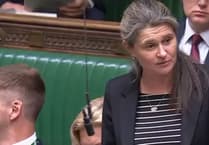



It has also never been easier to communicate directly with our politicians. Every MP will have a combination of social media platforms, everything through from TikTok to LinkedIn, as well as the more traditional means of communication, such as email or post.
The consequence of this has been, unfortunately, an increasing expectation of immediacy. The public expects to see politics occur instantly; be it the decisions on significant policy change, or reactions to incredibly consequential international events, there is a growing sense of impatience. There’s an expectation that every new problem that arises today should have already been solved yesterday.
In practice, this has materialised in instances such as the two child-benefit cap, or the reaction to the war in Iran. On the former, Labour was clear from the start that we would lift the cap when public finances allowed, and thanks to growth and stability created by our fiscal discipline, we were able to do so. Yet irresponsible actors, such as the Greens and Reform (before they U-turned and decided they’d be happy with half a million children more in poverty) wanted action taken right away, that could have undermined our efforts of economic stabilisation and recovery.
On Iran, if we’d have kowtowed to the knee-jerk immediate demands of those like Kemi Badenoch and become aggressors, we would have become carelessly embroiled in a war that would have threatened the lives of British servicemen and women, as well as our citizens in the region, and the cost of everything back home.
We must move away from an expectation of immediacy and allow government and politicians the time to make measured decisions, especially when it comes to some of the most serious challenges of our time, be it war or the economy. After all, the politics of immediacy is a poor replacement for the politics of delivery.
Comments
This article has no comments yet. Be the first to leave a comment.