
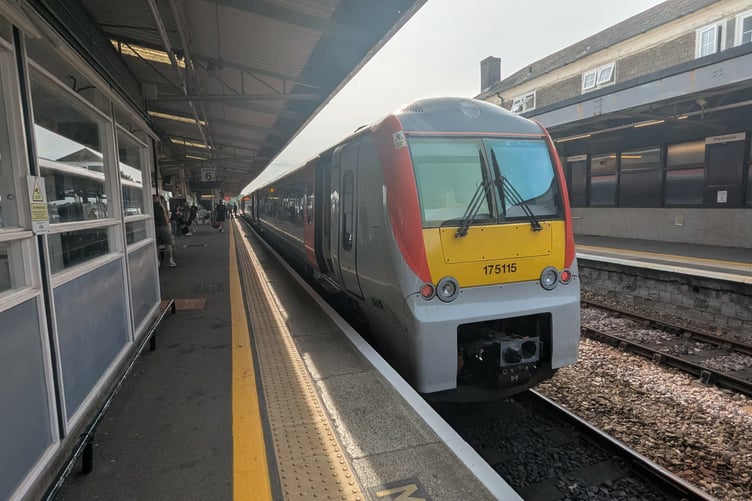
THE operator of the majority of the railway services in Cornwall has confirmed it will be cancelling a number of services due to the unreliability of the fleet.
Great Western Railway have cited unreliability issues with its Class 175 fleet, which it introduced to replace the elderly former high speed train fleet (HST) on its local stopping services.
The Class 43 trains were withdrawn citing reasons of cost to maintain and pollution.
However, their replacements in the form of the former Transport for Wales Class 175 trains have been plagued with problems since their introduction, leading to cancellations.
A spokesperson for GWR said: “The introduction of the 26 Class 175s is designed to improve capacity and resilience in Devon and Cornwall and provide a better experience for our customers. However, the 15 trains transferred to GWR to date have required a higher level of recommissioning work than expected following a prolonged period in storage and out of service. The introduction of these trains has been further affected in passenger service by technical issues, which now require immediate and targeted attention.
“As a result, we know performance and punctuality on our routes in Devon and Cornwall hasn’t been good enough recently. There have been too many cancellations and delays, and customers and colleagues are rightly frustrated.
“To address the consistent performance issues and the frequent short-notice cancellations brought about by the issues outlined above, we are planning a limited number of timetable reductions to come into effect from Monday, September 7.
“To ensure we can deliver the long-term reliability and capacity benefits that we believe the Class 175s will bring, and so we can return to a full timetable as soon as possible, we’re introducing an improvement plan based around including the key interventions which we believe will deliver a more robust and reliable fleet:
“Enhanced pre-service assurances – once reported defects have been fixed, each unit will undergo additional checks to identify any related or emerging issues before the train returns to passenger service. The aim is to go beyond fixing the immediate fault and give greater confidence that the unit is ready for sustained operation.
-886570d3.jpeg?width=209&height=140&crop=209:145,smart&quality=75)



“We’ve introduced a Class 175 1,000-mile fault-free running period for each train before it goes into passenger service. Trains must complete the distance in simulated passenger operation without any significant faults occurring. This provides a more realistic test of reliability and greater confidence before trains are released into service.”
GWR also confirmed that a detailed investigation team into the issues has been put in place, and a forensic review of all reported defects has been put in place.
The spokesperson added: “It will take some time for these measures to take full effect, and we recognise the inconvenience caused as we work through this difficult period.”
Comments
We've recently changed our login process. If you have an account for commenting, you will need to re-register on the login window.
This article has no comments yet. Be the first to leave a comment.