
MAKE the most of autumn, as the weather goes downhill fast this month. However, October is the second best month for observing, as it gets dark at a reasonable hour and it’s not a very cold month.
Look out for the return of Orion, the mighty hunter - the Belt stars rise due east every night; also the Pleiades, that brilliant star cluster, that leads Orion over the horizon.
The Moon dates are as follows: October 3, last quarter; October 10, New Moon; October 18, first quarter; October 26, Full Moon.
The Orionids meteor shower runs from October 22 to November 7. This is the dust left behind by Halley's Comet.
Turning to the planets, Saturn is closest to the Earth on October 4 and its ring system is always good to look at, to be found close to Pisces, while the moon passes by on October 23 and 27. Neptune is close to Saturn and Uranus is in Taurus, but both are hard to see with the naked eye. Mars is a morning planet and is in front of the Pleiades on October 27.
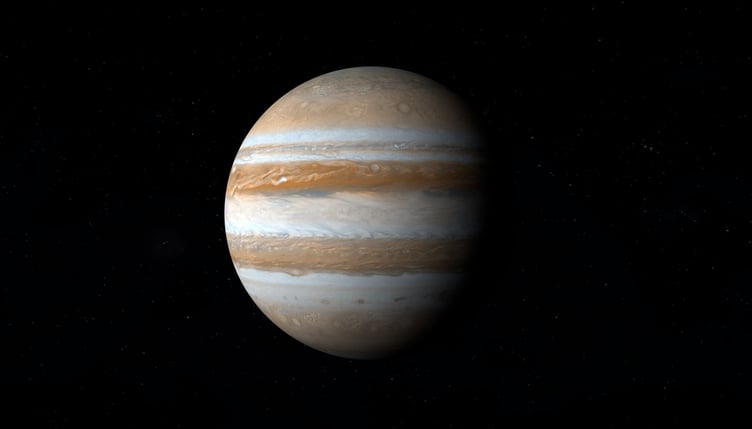
On October 5, Jupiter is also a morning planet in Leo, with the moon close on October 6. Mercury and Venus are too close to the sun to be seen this month - always take care to avoid contact and therefore blindness from the Sun.
A guide on aids to observation: a planisphere shows the whole night sky on a plastic disc which can be altered to meet the correct date and time. Get the biggest one. To plan an evening, use the free planetarium programme Stellarium.
And finally, British Summer Time ends on October 25, meaning an hour extra in bed for one morning only.




Brian Sheen runs the Roseland Observatory at Truro High School for Girls.
Comments
We've recently changed our login process. If you have an account for commenting, you will need to re-register on the login window.
This article has no comments yet. Be the first to leave a comment.