
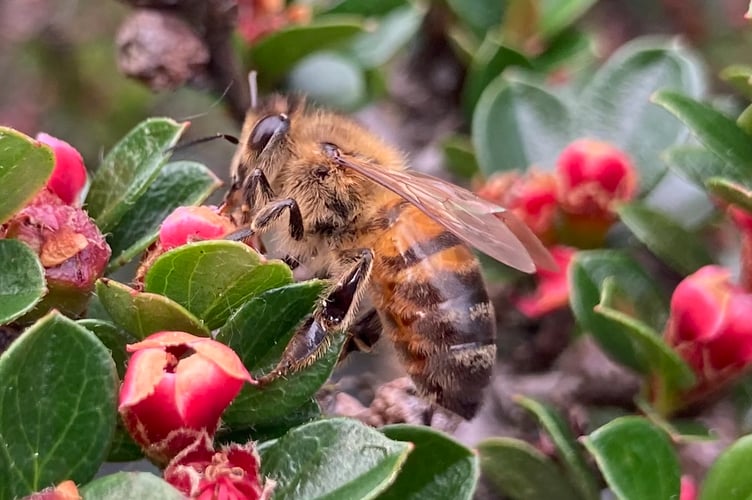
WE recently had a break away from home for a few weeks and on our return the garden had suddenly taken off. After what felt like a wet and windy winter and cool early spring days and nights, everything seemed to be growing and starting to flower at once.
It was like spring and summer seasons rolled into one. It seems like I am already back into my summer evening watering regime where I am watering our numerous outside containers with plants in on a daily basis. Some are now commenting that, with climate change, the spring and summer seasons really do appear to come together, almost simultaneously.
So, what is looking good in the garden? The tall blue flower spires of the echium pininana are coming into flower as I write. They are a real magnet for bees and hoverflies and you pick up a strong hum as you walk by them.
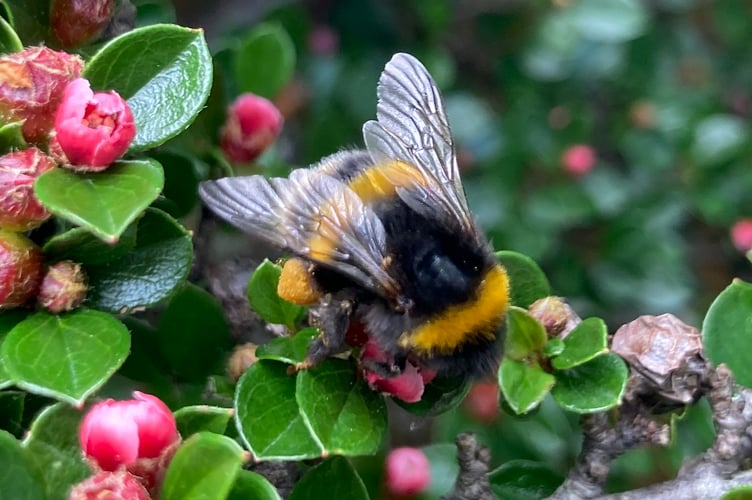




Some of our Pacific Coast irises with their beautiful pastel colours of yellow, pink and blue have flowered in a way that we have not seen for some years. We almost thought we had lost them and so their appearance is a really pleasant surprise. Each year in the garden is very different and that is one of the pleasures of gardening.
Then there is our furcrea longaeva, a large spiky and dramatic-looking succulent from Central America which is shooting upwards. They are what are called monocarpic which means that they flower, set lots of seed and die. They often reach a height as tall as a modest house.
How do you prepare the garden for all of this sudden growth and flowering? It is difficult because, whilst I did get out into the garden in January and February, sometimes it was just too wet and windy to spend too much time outside. For instance, ideally, I would have staked plants earlier on before they needed support.
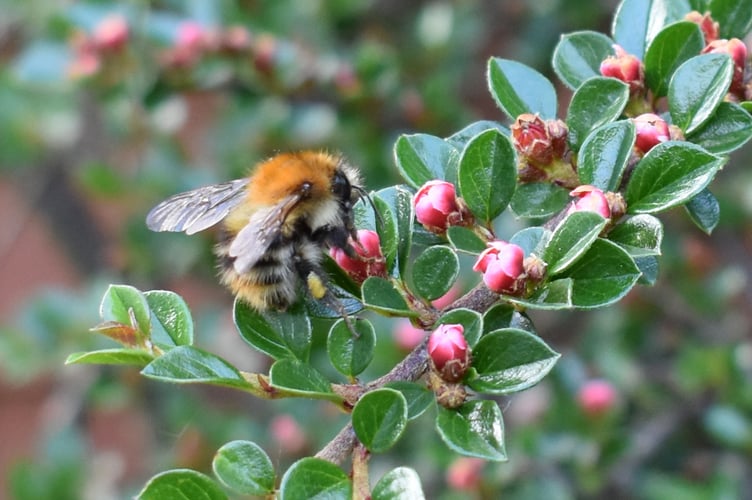
Some bushy growth on shrubs and fleshy green growth on plants that have finished flowering needs to be carefully trimmed so that other emerging plants and flowers are not smothered.
We are busy sowing vegetable seeds for our allotment and sowing annual flowers for our garden and planting out young plants.
We are also enjoying the solitary bees nesting in our front garden path and watching the butterflies starting to appear. We really do try to garden with wildlife, encouraging wildlife as much as possible.
Martin Pallett
Comments
We've recently changed our login process. If you have an account for commenting, you will need to re-register on the login window.
This article has no comments yet. Be the first to leave a comment.