
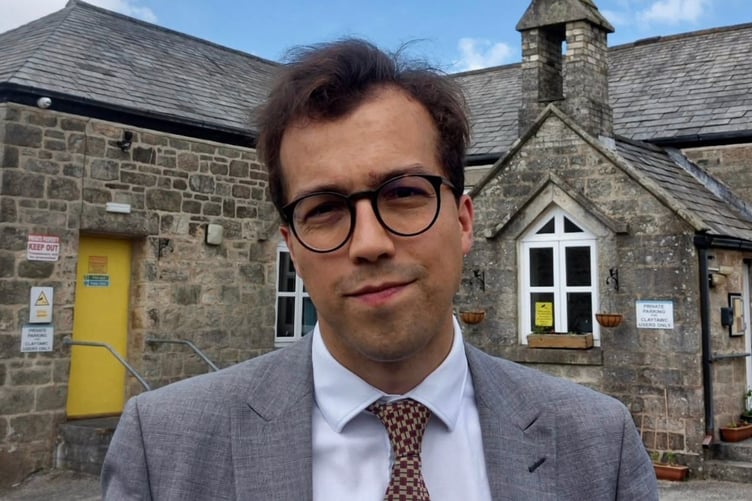
LAST week’s statement from the Prime Minister, accompanied by the government’s formal apology for the role the state played in forced adoptions, was both welcome and long overdue.
For too many families, this acknowledgement comes after decades of pain and distress that were completely avoidable, and a long search for answers and the recognition that they were wronged. Whilst nothing can undo the injustices that these families experienced, I believe that it represents an important step towards recognising how much harm was done, and the role the state played in it.
Between the 1940s and 1970s, and indeed both before and after those years, young and often vulnerable mothers were routinely pressured, bullied and coerced into giving up their children for adoption. Local authorities, public and private institutions, as well as community and faith-based organisations, would tell many mothers that they had no choice, or alternative. Instead of being provided support when they were experiencing some of the most difficult circumstances imaginable, these women had their agency denied agency and had hugely consequential decisions made on their behalf.
The consequences were devastating. Countless families were separated, and generations have lived with the emotional impact: Mothers carrying undeserved grief and shame - often in silence - whilst children grew up without knowing the circumstances of their birth. It is impossible to measure the scale of the emotional harm that has been caused, but it is undeniably clear that so much of this suffering was completely avoidable.
For those whose families have experienced forced adoption, the effects are not confined to the past: Many families are still seeking answers, rebuilding connections, finding lost loved ones, and coming to terms with their experiences.
Yet alongside the pain, there are also stories of extraordinary resilience. Time and again, those affected by this injustice have shown remarkable strength in rebuilding their lives, despite the barriers placed before them: Siblings seeking out each other, mothers and children finding ways to reunite. Their determination to speak out, and to campaign for recognition and seek accountability has played a crucial role in delivering this important moment.
In the face of great adversity can come great strength, which is something which the victims of this injustice are testament to. I pay tribute to all those affected by this, their mothers, and their wider families.
We should pay tribute to all those affected by forced adoption: the mothers who were denied choice, the children who were separated from their parents, and the families impacted by decades of institutionalised, cruel decision-making. I give my thanks to the campaigners, because if it hadn’t been for their voices, courage and persistence - we wouldn’t have gotten here without them.

The government’s apology cannot erase the past, but by acknowledging the wrong that was done, I hope that it can begin to provide the recognition, dignity and closure that so many families have waited so too long for, and truly, truly deserve.
Comments
We've recently changed our login process. If you have an account for commenting, you will need to re-register on the login window.
This article has no comments yet. Be the first to leave a comment.