
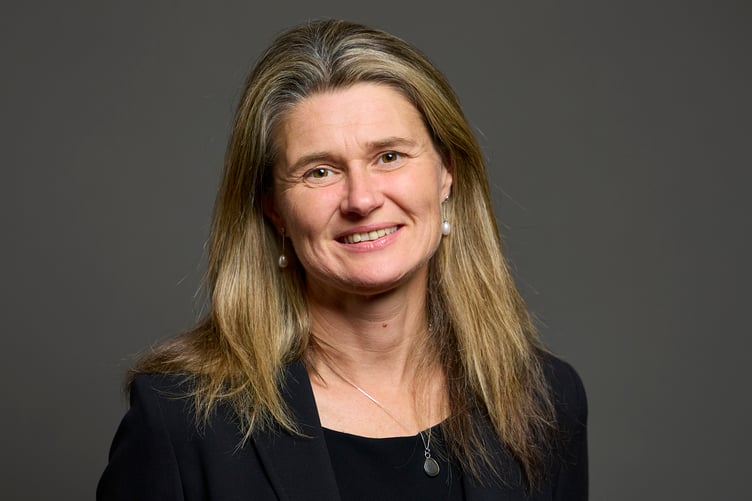
THIS year's Politics Summer School was really good. Twenty-eight young people from across Truro and Falmouth spent a day of their summer with me, exploring how politics works, how decisions are made, and how they can make their voices heard.
Truro College kindly provided its facilities, and attendees heard from Parliament's Outreach Service, local journalists, academics and councillors from across the political spectrum. The timing was particularly significant. Parliament was considering the final stages of the Representation of the People Bill, with proposals to extend the vote to 16, making political education and democratic participation even more important for young people.
The day began with Parliament's community and education outreach officer for the South West. His extensive and impartial knowledge helped students understand the parliamentary process, how laws are made, how elections work and the role of petitions in bringing about change. They explored the difficult decisions politicians face when balancing competing priorities, and in a group activity, debated their own top priorities.
Hearing from local reporters Kirstie Newton and Lee Trewhela, students explored the role journalists play in holding politicians to account and how reporting can improve people's lives and drive change. They then put those skills into practice during a cross-party panel discussion with local elected representatives, asking challenging questions about local issues, including the future of Falmouth Docks, work experience opportunities for young people, and whether elected representatives ever disagree with their party's policies. One person even asked who our all-time favourite Prime Minister was and got a huge variety from the politicians there.
Chaired by a politics lecturer from the University of Exeter, the panel discussed the challenges and positives of public office, the importance of representing the local community, as well as our personal journeys into politics.
One of the highlights was a mock House of Commons debate on whether social media should be banned for under-16s. After learning about parliamentary procedure and researching the issue with politics lecturers from Truro & Penwith College, students delivered speeches, made interventions and concluded proceedings with a mock division vote. This is my favourite part. I get to act as the Speaker and listen to some fantastic speeches, watching these young people visibly grow in confidence. Their debating skills were impressive and sometimes better than those seen in Parliament.
The day concluded with sessions around political communication. We filmed vox pops with Simon Neild from Source FM, who highlighted the value of stories that matter to local communities. Then we discussed how young people receive political information and engage with politics online, including their views on how politicians use social media.
I organise the Politics Summer School because it is important to hear what young people in Truro and Falmouth care about. It also provides accessible and impartial political education, while bringing Westminster, which can sometimes feel very far away, closer to Cornwall.

I was pleased that the students enjoyed it. My thanks go to everyone who contributed to the day and especially to the young people who chose to spend a part of their summer holidays learning about politics with me.
Comments
This article has no comments yet. Be the first to leave a comment.