
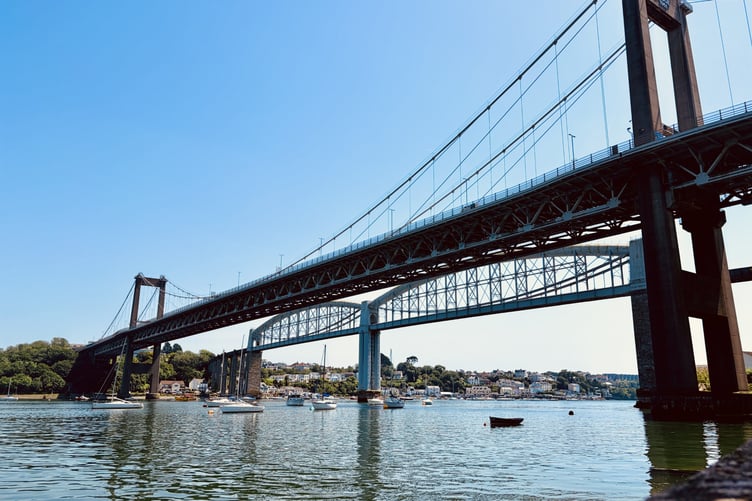
MEMBERS of the Tamar Bridge Joint Committee have rejected plans to increase the Tamar Tag administration fee from 80p to £2 after a major public consultation showed overwhelming opposition from residents.
The unanimous decision by councillors from Cornwall Council and Plymouth City Council means the proposed increase will not go ahead – with members saying they had listened to the public response and accepted the views of thousands who took part.
In making their decision, the joint committee have sent a clear message that the financial pressures facing Tamar Crossings require government intervention, with calls for residents and elected representatives on both sides of the Tamar to lobby MPs and demand greater support for the strategic transport links.
The proposed increase was recommended by Philip Robinson, chief officer of Tamar Crossings, who told members that the organisation faced serious financial challenges.



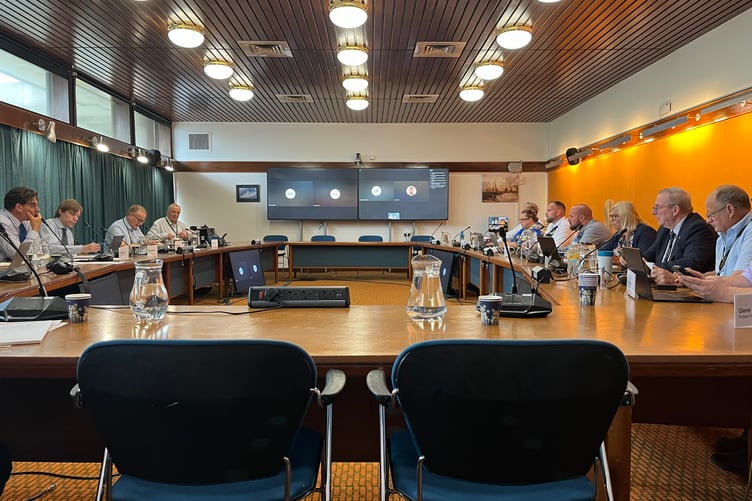
A detailed report presented to the committee outlined the pressures facing the crossings, including falling cash payments, rising operational costs and inflationary pressures.
The consultation was launched after the joint committee previously agreed that any increase should only be considered after hearing directly from the public. Running between March 4 and April 6, it included online engagement, stakeholder meetings, webinars, drop-in sessions and a public survey.
The response was significant.
More than 5,842 survey responses were received, representing around 11 per cent of Tamar Tag account holders directly affected by the proposed increase. Engagement emails were also sent to more than 50,000 account holders.
The findings showed a clear public rejection of the proposal, with 82 per cent of respondents saying they did not support increasing the monthly fee from 80p to £2.
The consultation report highlighted concerns around the size of the increase and the impact on regular and local users.
More than 3,700 additional comments were submitted, with many residents arguing the increase would unfairly affect people who have little or no alternative but to use the crossings.
Many highlighted the importance of the bridge and ferry in accessing jobs, healthcare, education and essential services.
There were also repeated calls for greater government support, with residents saying the crossings serve a much wider economic purpose than simply supporting those who live immediately nearby.
Despite the strength of public feeling, Mr Robinson’s recommendation remained that the increase should be introduced. His report highlighted without additional income or alternative funding, Tamar Crossings would face increasing financial pressure.
The proposed increase was forecast to raise around £460,000 during 2026/27, with a full-year impact of approximately £690,000.
The additional money would have helped delay further financial pressures and support the ongoing operation and maintenance of the crossings.
However, members decided increasing the charge for local users was not the right approach.
Joint chairman Cllr Andrew Long said the committee had a responsibility to listen to the public consultation and recognise the strength of opposition.
“I think we need to send out a message to the general public that we have looked at the consultation and we accept the view of the vast majority of the population who have responded and we reject the idea of increasing the admin fee,” he said.
Cllr Long said the Tamar Tag system was not simply a convenience but a necessity for many people.
“The Tamar Tag admin fee in its current form is a means by which people who have no choice in the matter of how they get across the ferry or the bridge can get to vital services in Plymouth,” he said.
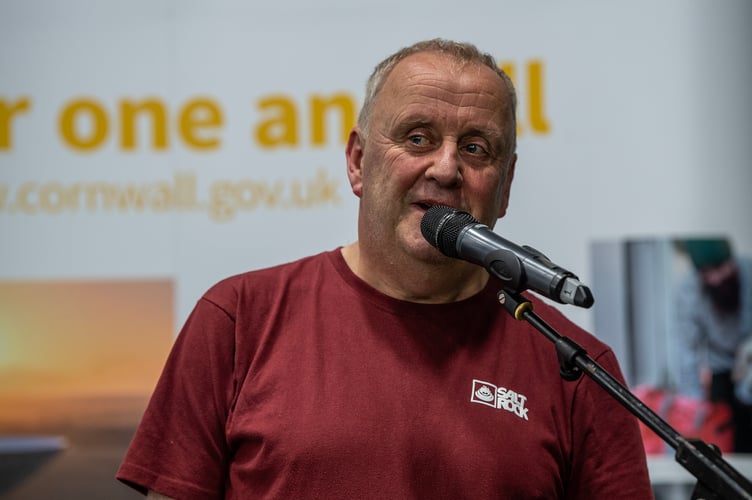
He acknowledged Tamar Crossings faced significant financial challenges but argued that increasing costs for people who rely on the crossings was unfair.
“We can argue until we’re blue in the face about the reasons behind it, about the lack of funding, healthcare, we have inherited from decades of mismanagement of finances from central government. The reality is where we are,” he said.
“By increasing the admin fee, the only people who are going to get penalised are the people who have no choice in the matter.”
Cllr Long said the committee’s decision should now shift the focus towards securing government support.
“I think we need to make this position clear that as a committee we do not support a principle of further penalising the local community who don’t have a choice,” he said. “By that, we then send the message back to central government and in the end this is where the finance of this bridge and ferries has to be sorted is by central government.”
He added both parent authorities also needed to recognise their responsibilities.
“Yes, there is a financial implication, and both parent authorities will need to start waking up to the fact they are parent authorities in this. However, we can’t keep penalising the public for it.”
The decision means the next stage of the debate is likely to focus heavily on lobbying government.
The crossings support thousands of journeys every day and play a major role in the movement of workers, businesses, visitors and essential services.
With the committee rejecting the fee increase, pressure will now fall on MPs from constituencies on both sides of the Tamar to push the case for financial support.
The message from members is that while savings, efficiencies and alternative funding options must continue to be explored, the government must recognise the wider importance of the crossings.
Cllr Anne Freeman said residents deserved a decision after months of uncertainty.
“This has been going on since December’s meeting, people need closure on this,” she said. “We’re just kicking the can down the road again until there is another finance workshop, another joint committee, another 12 months down the line over an admin fee.”
She defended Mr Robinson’s recommendation, saying he had carried out his role by providing professional financial advice.
“Philip is absolutely correct with the recommendation that he has made as he is our chief operating officer. His job is balancing the books and giving us advice on what may need to change.
“Our job is then to determine do we accept this recommendation or do we not?”
“We can’t change the wording of Philip’s recommendation, what we do need to do today is make a decision on whether we increase that tag admin fee from 80p to £2 or we decide against it. It’s as simple as that.”
Responding to the outcome, Mr Robinson accepted rejecting the recommendation would send a strong message.
“Kicking the can down the road or deferring it, the public are not going to change their minds,” he said. “There is no further consultation, if you reject the recommendation then the workshops will look at other ways to rebalance the books.”
“If you reject the recommendation, that sends a clear message.”
That message is now expected to be aimed firmly at government.
While the committee has ruled out increasing the Tamar Tag fee, the financial challenge remains unresolved.
The focus now turns to whether local MPs, councils and residents can convince Westminster that the Tamar crossings deserve dedicated support because of the vital role they play in the economy and daily lives of communities across Devon and Cornwall.
For those who opposed the fee increase, the consultation has delivered a victory – but the next campaign may be even bigger: securing the long-term future of the crossings without placing the burden on the people who depend on them most.
Comments
This article has no comments yet. Be the first to leave a comment.