
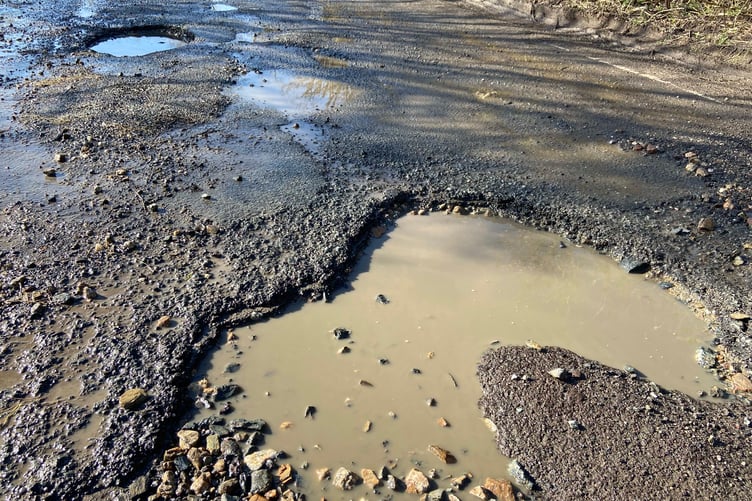
CORNWALL Council says it is repairing nearly all of the most dangerous pothole problems on the county’s roads within two days of them being reported.
But the council admits its repair teams are under major pressure saying that the wet weather Cornwall has seen so far this year is unprecedented.
The council says that in response to a significant rise in potholes and road surface damage it has moved more crews on to carrying out repairs. The council is also continuing to trial new repair techniques.
The council’s statements come as Cornwall councillor Paul Ashton, the leader of the Reform UK group on the council, has called for creative, long-term solutions to the problem.

.jpeg?width=209&height=140&crop=209:145,smart&quality=75)


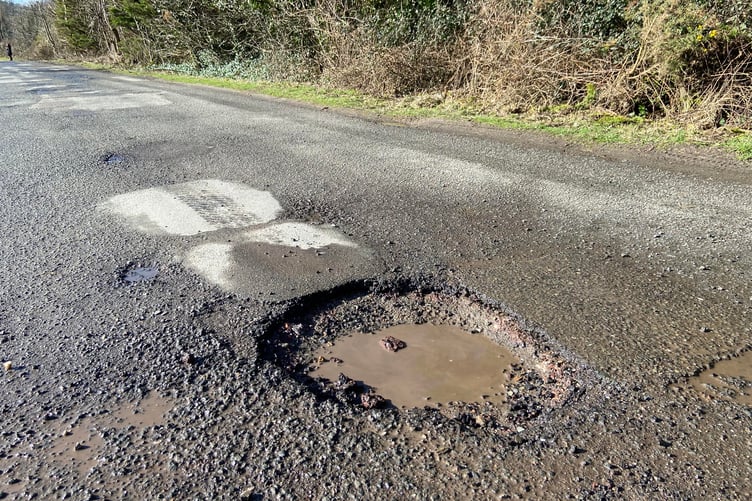
A council spokesperson said: “The recent period of persistent heavy rainfall has created a significant increase in potholes and road surface damage. This level of wet weather is unlike anything we’ve previously experienced and it is placing major pressure on our repair teams. We have brought in additional teams to support this work, moving crews from longer-term projects.
“Safety is paramount and over 98 per cent of the most critical defects are repaired within 48 hours. Some of these repairs will be temporary, in part due to the weather conditions, but also if the pothole is in a busy location where a lane or road closure would cause disruption, or if the road is due to be resurfaced.
“While we are responding as quickly as possible, we ask road users to take care and report any defects.
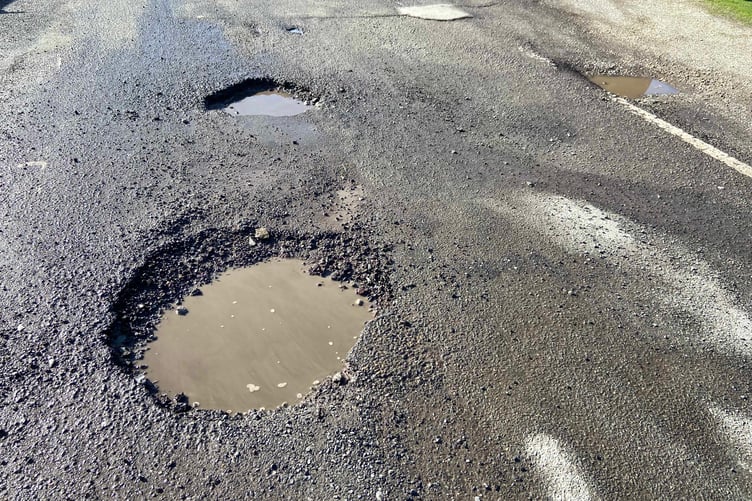
“We have trialled, and continue to trial, new pothole repair techniques to improve the durability of repairs, cut down on the environmental impact and provide better value to residents.
“Following an earlier trial, Elastomac has been shown to offer a longer lasting repair and is now used across Cornwall. Made from recycled aggregates, bitumen and used tyres, the warm material bonds to the existing surface and waterproofs the surrounding area to stop water seeping in.
“However, continual rainfall conditions and flooded road surfaces make it more of a challenge to undertake long lasting repairs of this nature.”

Cllr Ashton, who represents the Poltair and Mount Charles division in St Austell, says of the potholes: “From rural lanes to town streets, damage is everywhere. Frustration is mounting.
“Beyond the obvious safety risks – swerving to avoid holes, damaged wheels and suspension, even accidents – potholes are a constant, visible reminder that basic infrastructure isn’t being managed properly. Why are there so many? Why do we rely so heavily on emergency fixes? Why do most of those temporary repairs fail within weeks and need doing again?
“I recognise the genuine pressures: relentless wet weather, limited budgets, stretched crews and sheer volume. But acceptance isn’t enough. We need creative, long-term solutions: better materials, smarter prioritisation, innovative repair techniques or even partnerships with local businesses and communities.”
Cllr Ashton, who says that at any one time Cornwall has over 4,000 reported potholes awaiting attention, is asking residents from across the St Austell area for their views on the matter.
Comments
We've recently changed our login process. If you have an account for commenting, you will need to re-register on the login window.
This article has no comments yet. Be the first to leave a comment.