
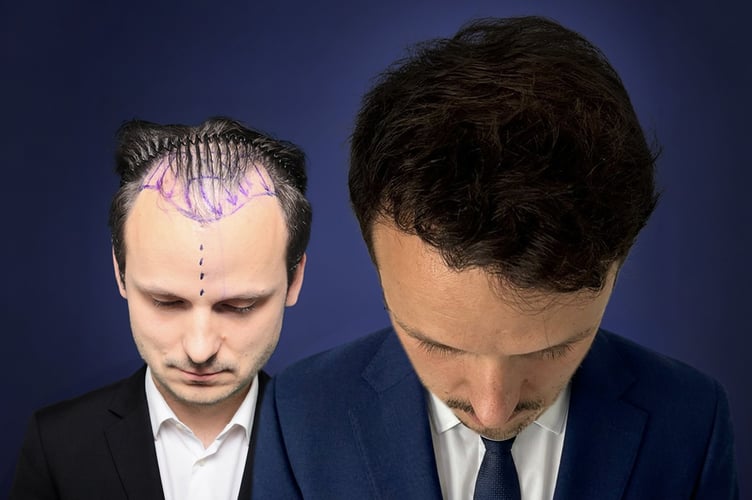
Overseas hair restoration has become part of everyday health research rather than a niche option. For readers in Cornwall and Devon, clear, accurate information matters more than bold claims or viral images.
Hair restoration abroad is now widely discussed across the UK. Searches linked to hair loss regularly surface overseas clinics alongside domestic providers.
Hair transplant in Turkey often appears early in that research, driven by visibility and volume. Results circulate widely online and shape first impressions.
Before committing, it helps to understand how the process actually works, from planning to long-term outcomes, with local realities in mind.




Why Turkey Features So Heavily in Hair Transplant Research
Turkey’s reputation comes from specialisation and scale. Many clinics focus exclusively on hair transplant surgery, building experience through repetition and structured processes. Istanbul has become a central hub for international treatment.
One established example is Cosmedica Clinic, based in Istanbul with a clear hair-restoration focus. The clinic regularly treats UK and international patients and designs its systems around remote assessment and follow-up.
Even so, visibility should never replace careful evaluation. When considering a hair transplant in Turkey, regulation, medical oversight, and long-term support remain essential.
Reading Results Without Overestimating What Images Show
Online galleries often drive early decisions. Images can look impressive, but they rarely tell the whole story.
The Hair transplant before and after results vary widely depending on timing, lighting and styling. Early photographs may show redness or temporary density that changes over time. Mature hair growth develops slowly and unevenly.
Responsible clinics publish authentic patient images taken at multiple stages. These show how the transplanted area evolves without implying identical results for every patient.
Technique Choices and Why They Influence Outcomes
Technique plays a significant role in planning and recovery. Two approaches are commonly discussed during consultations.
Sapphire FUE creates recipient sites using sapphire blades. This method refines incision control during a FUE hair transplant and may influence healing patterns.
Micro Sapphire DHI places follicular units directly using an implanter. This allows precise angle control, which can be important for frontal hairlines.
Technique choice depends on hair characteristics, donor strength and design goals. Costs often reflect complexity and time, not brand names alone.
Before Treatment: Planning Starts Long Before Travel
The process usually begins at home. Clinics review photos, medical history and the donor area to assess suitability. A graft plan and provisional hairline design follow.
Not everyone is suitable for dense coverage. Age, pattern of thinning, and future hair loss influence safe limits in any hair transplant procedure in Turkey. Overharvesting can create long-term issues.
Many clinics offer a free consultation to outline options and constraints. Travel preparation follows only once suitability and expectations are aligned.
What Surgery Day Typically Looks Like
Procedure days are structured and predictable. Preparation includes cleansing, shaving and a local anaesthetic. Sensation during injections is usually the most uncomfortable stage.
Extraction using follicular unit extraction comes first. Implantation follows with the selected technique. Teams often specialise in extraction or placement to maintain consistency throughout the hair transplant surgery.
Aftercare guidance begins immediately. Patients leave with instructions covering medication, sleep position and care of the transplanted area.
The First Days After: Early Recovery at Home
The first 72 hours are the most visible phase. Redness, swelling and scabbing are typical and expected. The appearance can feel confronting at first.
Swelling may shift toward the forehead before settling. Washing usually begins early and follows a strict routine. Discomfort tends to be mild and short-lived.
Once back in Cornwall or Devon, daily care continues at home. Local healthcare may assist with general concerns, but cosmetic follow-up remains private.
Growth Timeline From Weeks to Twelve Months
Shedding often begins within the first few weeks. This stage is regular and temporary, even though it can feel alarming.
New hair growth usually starts after 3 to 4 months. Early strands appear fine before thickening. Density improves gradually across the transplanted area.
Full maturation can take up to twelve months. Biology, aftercare discipline and original planning all shape the final hair restoration outcome.
Safety, Follow-Up and the UK Reality
Safety depends on hygiene standards, qualified teams and clear limits. Clinics should explain who performs each stage of the hair transplant procedure and how complications are managed. Explicit consent, realistic graft counts and transparent aftercare instructions all contribute to safer outcomes and better long-term satisfaction.
Results are influenced by donor quality, age and ongoing hair loss patterns. No procedure prevents future thinning entirely. Honest planning matters more than optimistic promises. Understanding timelines for hair growth and possible secondary treatments helps set grounded expectations.
Many Istanbul clinics offer remote follow-up with photo check-ins after return to the UK. This ongoing contact supports monitoring and reassurance, especially during early healing.
For Cornwall and Devon residents, informed decisions bring confidence. Understanding the whole process helps ensure choices are guided by clarity rather than urgency, even when overseas options appear appealing at first glance.
Comments
This article has no comments yet. Be the first to leave a comment.