
ON what seems like the first dry morning in weeks, Eden Project chief executive Andy Jasper can be forgiven for being late for our Teams meeting to discuss the recent tourism summit hosted by Cornwall’s flagship attraction.
“I went for an early-morning run and watched the sun rise,” he explains, in what will be a timely lead-in to our conversation.
“After all these incredible storms, Visit Cornwall would normally have been out there, on TV, telling people across the country that Cornwall is still open for business, and what a brilliant place it is to come to in the winter months, as opposed to ‘Cornwall is closed because trees are down’.
“Fortunately, it’s low season, but if we don’t organise ourselves soon, we will suffer from not having that unified voice.”


At the forefront of promoting Cornwall as a holiday destination since 2015, Visit Cornwall CIC went into voluntary liquidation in October. It was a body blow to an industry that is considered vital to the Duchy’s economy, employing as many as 50,000 people - around 20 per cent of all jobs – and contributing over £2-billion to the local economy.

The summit was convened by Cllr Sarah Preece, Cornwall Council’s cabinet member with responsibility for tourism, to help businesses from visitor attractions and accommodation providers to food and drink purveyors work out what kind of body they would like to replace Visit Cornwall.
Attendees heard inspiring talks from key speakers including the heads of Visit England and UK Hospitality, as well as leading figures from the sector in Cornwall; brainstormed ideas in break-out sessions; and discussed the results of a recent visitor economy survey.
It was standing room only in the meeting space, with around 200 people present to contribute their ideas. Cllr Preece described it as a “huge moment” for Cornwall and Scilly, one that “marked a key milestone in our journey to determine what comes next”.
One thing was very clear to Andy: “The industry wants to come together to support tourism as one rather than individual voices. There was an incredible energy in the room, and a desire to make sure this is a sustainable, representative, sector-led, Brand Cornwall-focused entity.”

It’s not just attractions and accommodation that benefit from tourists. Ruth Huxley, managing director of the Great Cornish Food Store in Truro, said: “I can’t stress enough how important tourism is to the food and drink sector. A huge number of small and medium enterprises (SMEs) are totally dependent on visitors coming to into Cornwall, and let’s not forget it’s a long way from Cornwall to go anywhere, meaning the people who live here also love what we have to offer.
What’s missing without Visit Cornwall, she says, is “strategy and steer – a collective voice. We represent sectors that deliver huge amounts of Gross Value Added (GVA), but are made up of thousands of small businesses. Larger players can coordinate themselves more easily.”
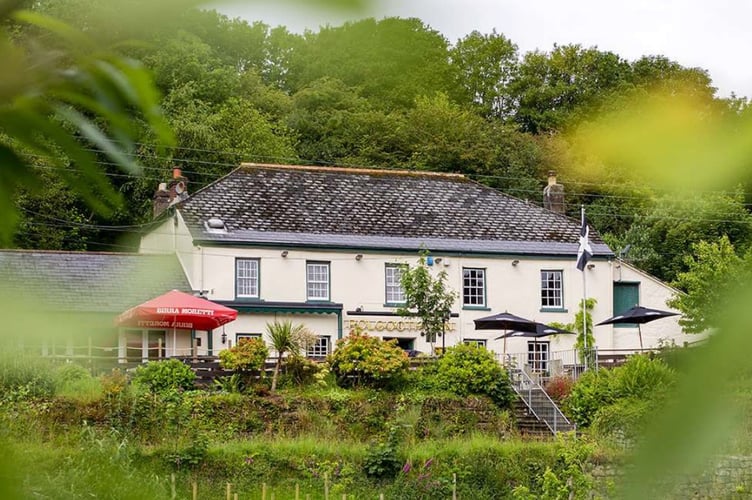
Those “larger players” include St Austell Brewery, one of Cornwall’s largest private employers. Its pubs not only serve top brews, but also bed and board via some 500 rooms. Unlike a small B&B, the brewery has a powerful publicity machine to make some noise. Still, marketing and communications director Laura Plum is no less worried by the current situation; she estimates an annual drop in visitor numbers of around half a million, the equivalent of Cornwall’s entire fixed population.
“It’s quite stark,” she admits. “On top of that, fewer visitor numbers will be felt by customers in the wholesale part of our business – anyone from campsites to hotels that take our products.”
It’s a scenario that’s playing out across the UK. “We’re all having to work harder as a county to attract fewer people, ensuring Cornwall is appealing to domestic holidaymakers,” Laura continues. “We recognise we need to collaborate – it’s not one of us that’s going to turn the sector around.”
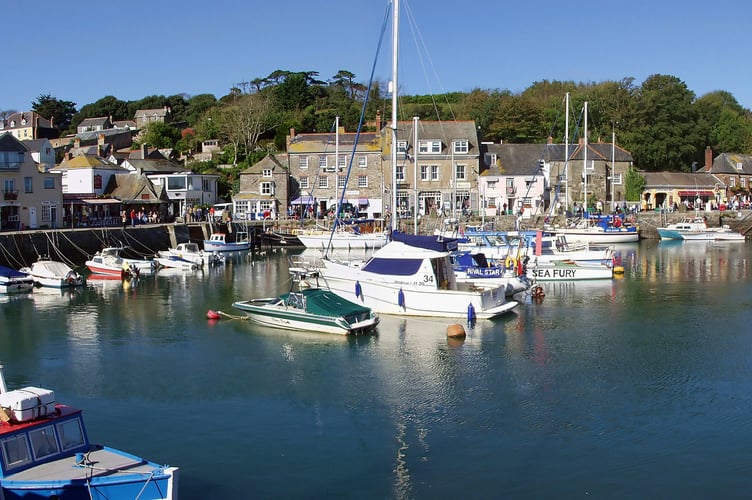
What should a future body look like? Nicola O’Donnell, chief operating officer of the National Lobster Hatchery in Padstow and vice-chair of Cornwall Association of Tourist Attractions, replies: “That’s the golden question. If there was an easy answer, we wouldn’t have spent the last few months and so much effort pulling data together.”
However, she adds: “Personally, I’d love to see a leader who is passionate about Cornwall, and enthusiastic. The past few years have been really tough, with a lot of negative press for everyone to deal with. We need to buy back positivity.”
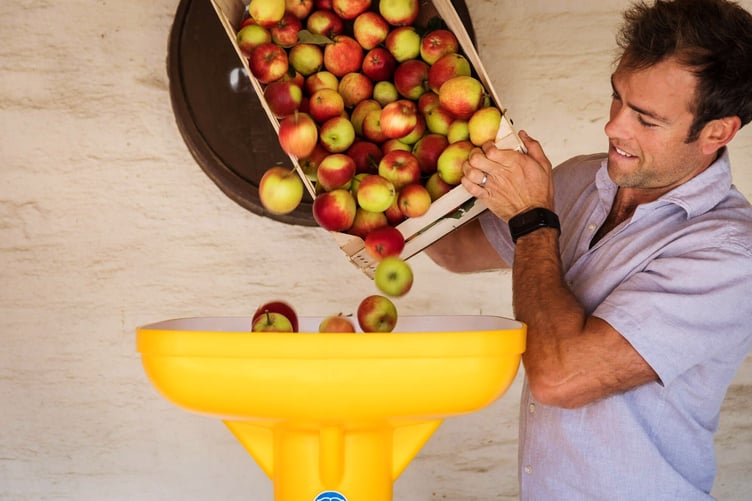
Joe Healey, MD of Healeys Cornish Cyder Farm, is keen to see a lean and focused organisation “that isn’t doing what it doesn’t need to do. It would be interesting to see a list of all the things Visit Cornwall was doing, and to cross some off – it doesn’t have to be a one-stop shop.”
Many of Cornwall’s local town and parish councils were represented. Truro City Council town clerk David Rodda highlighted the costs that tourism, however welcome, placed on Cornwall’s place-based infrastructure.
“A parish clerk told me recently that over 80 per cent of their budget was for looking after the beachside toilet, which was almost entirely used by visitors rather than residents,” he said. “In Truro, we see visitors from Hayle to Halesowen, and we want as many as possible because they create a vibrant high street, bringing employment and footfall to local businesses.
“But local councils – and residents, by association - feel the financial impact of this without any direct financial contribution from the visitor, and the challenge is how we deal with that.”
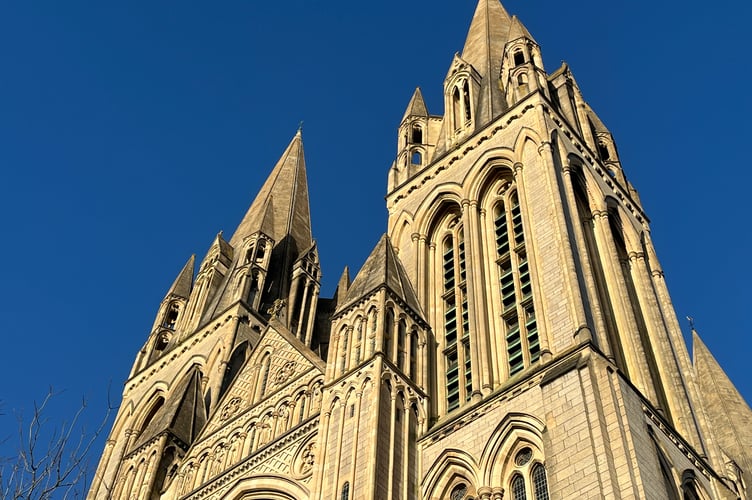
Moving forward, three things are certain. Firstly, harnessing the momentum is key. “By working together and harnessing the enthusiasm from the summit, we can now look at the next steps in creating a sustainable platform to help the sector thrive for decades to come,” said Cllr Preece.
But Mr Healey warns: “What we don’t want is for procrastination to set in, and to be asking this time next year, ‘What’s happened since the last summit?’ There’s a new season, and the key booking window is here already.”
Secondly, there will be a price to pay. The £2.6-billion UK Shared Prosperity Fund (UKSPF) was launched by government in 2022 to replace the EU structural funds (such as Objective 1) that had previously benefited Cornwall hugely. Delivered through local authorities, UKSPF focused on community spaces, business innovation and skills development – but it is scheduled to come to a halt at the end of March.
A key debate in the creation of a new body, therefore, is how it will funded, for example by members or levy-payers. Figures revealed during the summit showed that 60 per cent of those present had not been paying members of Visit Cornwall. Laura Plum, who is on the steering committee to determine what will follow it, says: “Whatever comes next will ultimately be reliant on the sector to support it. While the council will stay involved from a support perspective, there will be no public money for this.”
Finally, Cornwall needs to have faith in its appeal to tourists both at home and abroad (ie. over the Tamar). “Cornwall is the crown jewels of the industry in the UK,” says Mr Healey. “Everyone wants to be us. We have to be confident in what we’ve got, with consistency in how we talk about it.”
Comments
This article has no comments yet. Be the first to leave a comment.