

A NEW project called the Green Infrastructure for Growth (GI4G) was explained by its project officer Lisa Pender at Bude-Stratton Town Council’s latest meeting at the Parkhouse Centre on Thursday, June 1, writes David Sillifant.
Bude is one of seven towns in Cornwall which has been earmarked for the project.
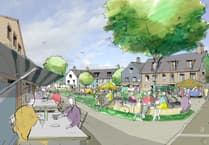
Green Infrastructure for Growth is a project that applies Cornwall Council’s new Environmental Growth Strategy, which looks to invest and improve the natural environment.
Ms Pender explained that the aims of the project include the biodiversity of urban open spaces, access to important areas, working with local communities and provide value for money as well as the sort of sites which the project will be delivered on including recreational spaces, sports grounds (the surrounds of them), closed cemeteries and churchyards and verges — these are all types of sites that are eligible to receive money.

.png?width=209&height=140&crop=209:145,smart&quality=75)
Speaking at the meeting, Cllr Julia Bryson was enthused by the idea, saying: “It can be only be a good thing for the town so we should support it.”
Following the meeting, Bude-Stratton Town Council clerk, Donna James, echoed Cllr Bryson’s thoughts, although it is early days.
Ms James said: “The initial signs of the project look encouraging. As we learn more and more about the project we hope that it will be of benefit to Bude.”
Cornwall Council issued the following statement on why it has chosen Bude as one of the towns to benefit, saying: “Cornwall Council has secured funding for a major investment in local urban green spaces across a number of Cornish towns as part of the Green Infrastructure for Growth project (GI4G).
“Working with the University of Exeter, Cornwall Council will invest £3.5-million over the next three years on urban open spaces make them better places for people and for wildlife. The environmental funding will make space for nature in Cornish towns, creating nature-rich habitat across an area equivalent to 35 rugby pitches.
“The Green Infrastructure for Growth Project is being funded by the European Regional Development Fund, Cornwall Council and the University of Exeter. The university’s environmental specialists will help to ensure that we can measure and understand the benefits of the improved green spaces: both for nature and local communities.
“Seven towns have been selected for investment through GI4G, these are: Bude, Saltash, Redruth, Pool, Hayle, Camborne and Penzance. These towns were selected because of their geographical spread, their potential for site access improvements, and their links to existing environmentally rich areas, like Bude Marsh, with urban greenspaces. This will result in better access to nature for local residents, more attractive and interesting greenspaces and more wildlife such as trees, bugs, birds, bees and flowers in urban areas.”
Comments
This article has no comments yet. Be the first to leave a comment.