
The exhibition will feature details of the war heroes from Bude, Stratton and the surrounding villages who are named on each war memorial.
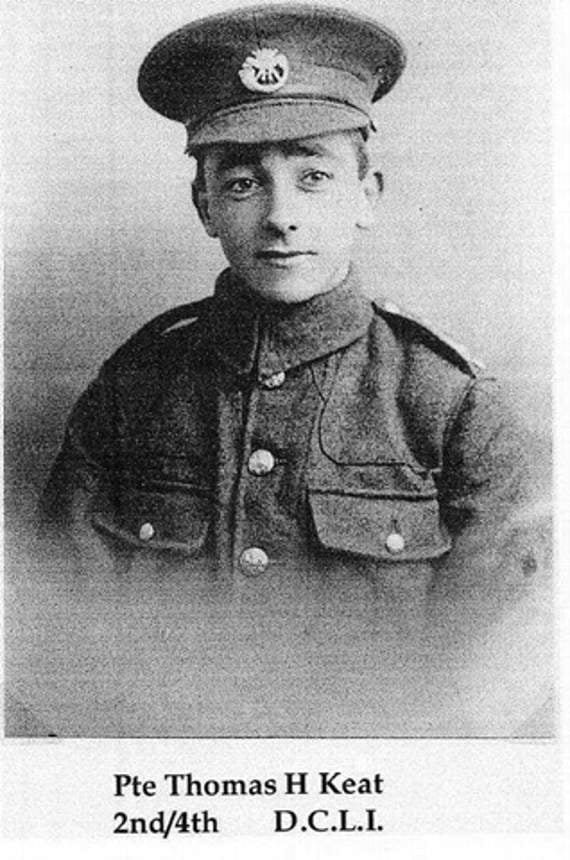
The Duke of Cornwall Light Infantry was well represented by local men in the campaigns of Gallipoli, Flanders, India and all ‘Theatres of War’.
On display there are several first-hand accounts from soldiers whose families have preserved and kindly given copies to share and to remember them by.



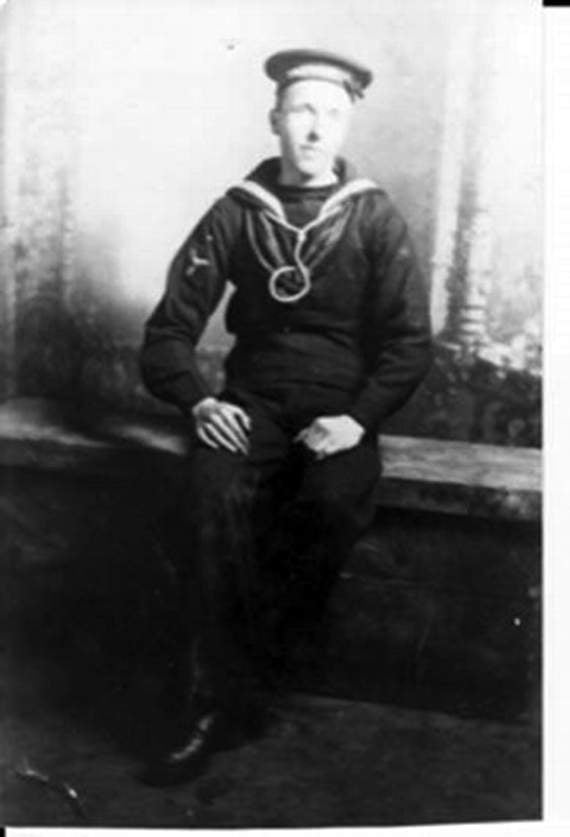
Among them was William Hockridge, born on October 20, 1892, at Wharf Cottages in Helebridge, Marhamchurch.
Born to a large family, he was one of eleven children, many of whom would also later serve in ‘The Great War’.
William was just 19 when he joined the Royal Navy, in which he served from 1911 to 1923. During World War One he saw active service in the Mediterranean Sea and the Indian Seas.
He was also involved in the famous battle of Jutland — a naval battle that took place in the North Sea coast of Denmark’s Jutland peninsula, from May 31, to June 1, 1916. it was the largest naval battle and the only full-scale clash of battleships in WWI.
The British lost 14 ships in the battle, and over 6,000 lives, and so William was lucky to return home. The Germans lost 11 ships, and had more than 2,500 casualties. The Germans claimed that Jutland was a victory for them, as they had sunk more capital ships than the British, however the German fleet was never again to be in a position to be put to sea and challenge the British Navy in the North Sea.
William was awarded the 1914 Star, General Service and Victory Medals.
More information about William, and the fate of his brother who also served in the war, will be available at the exhibition.
Sailors from the area in the Royal and Merchant Navies were involved from the outset of the war. One of the first local casualties though was Chief Petty Officer Frederick Sercombe on HMS Monmouth, sunk off Valpariso at the Battle of Coronel by the German Cruiser Gneisenau on November 1, 1914.
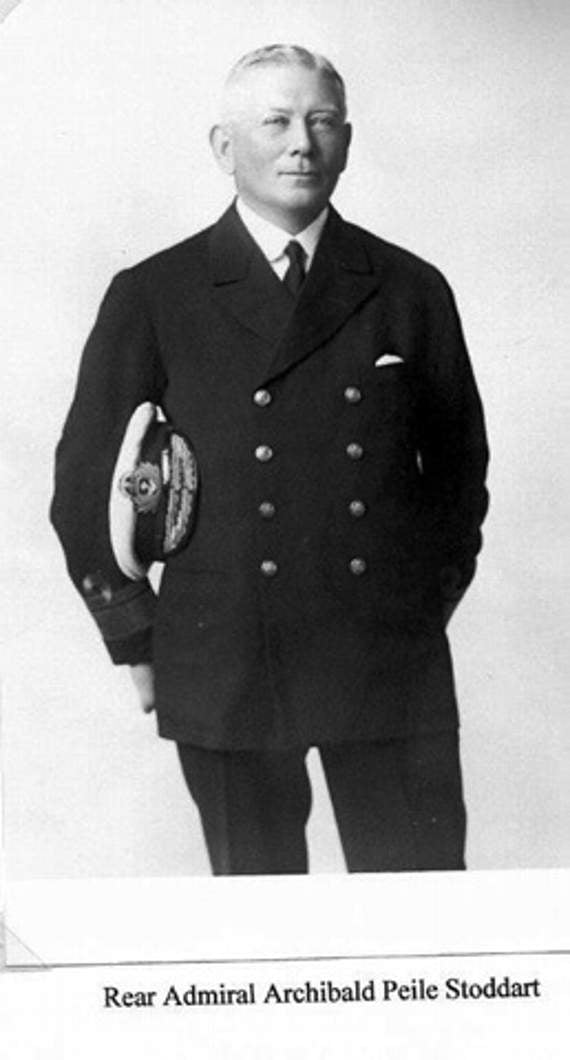
Admiral Nicholson served at Gallipoli. On retirement these two Admirals were very involved in the local community and benefactors to their neighbourhoods of Poughill and Bude. The ships at the Battle of Jutland, Dogger Bank and German Bight on which local men served are also recorded.
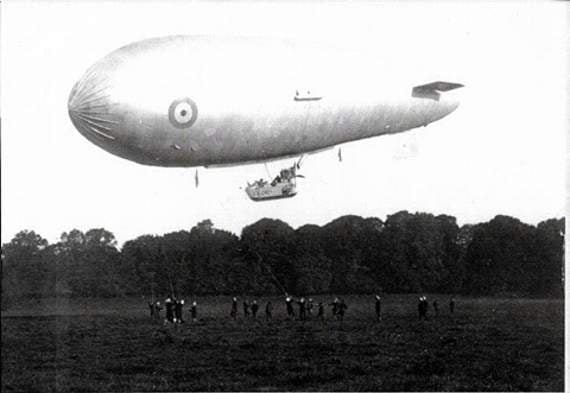
Nearer to home in the Western approaches the German U-Boats were causing the loss of so many merchant ships bringing essential supplies from Canada and America. To protect the convoys and also to locate mines, a Royal Naval Air base was set up at Langford Barton near Marhamchurch for airships which patrolled the area of Bude Bay and could bomb any submarine sighted.
Besides sinking large ships with torpedoes, the subs preyed on smaller fishing vessels by surfacing, setting the crew adrift in their lifeboat or raft and sinking the vessel with gunfire or a bomb. A chart is on display showing the location of many of these ships including details of the hospital ship ‘HMHS Glenart Castle’ torpedoed near Lundy Island on February 26, 1918. A memorial to the crew, the nurses and doctors, is situated on the cliff just south of Hartland Point Lighthouse.
A fine display of badges and memorabilia from the First World War will also be an interesting feature of the exhibition.
Lest We Forget — A New Dawn, has been put together by the Bude-Stratton Old Cornwall Society and The Castle’s archive team, to present information and memorabilia celebrating the end of World War I, in memory of local people who served their country at home and abroad.
The exhibition takes place in the Willoughy Gallery and the Blanchminster Room.
Comments
This article has no comments yet. Be the first to leave a comment.