
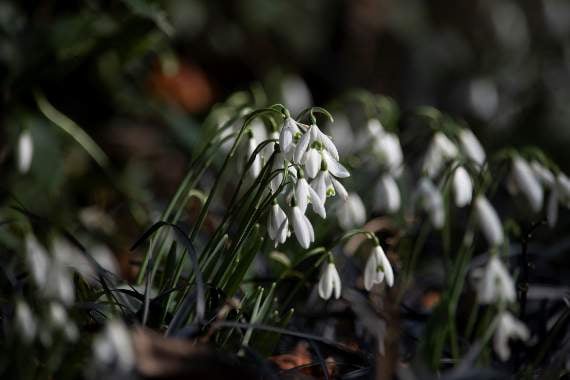
Snowdrops have been voted the South West’s favourite spring flower for the second year running.
The National Trust would usually carry out its annual Flower Count across all its properties on Valentine’s Day.
The event was postponed for the first time in 16 years due to the lockdown restrictions, but after the Trust encouraged members of the public to take part in their own gardens and on local daily walks, it saw an almost 500% increase in completions of surveys online.
As a symbol of hope and resilience, the hardy snowdrop topped the list of favourite flowers, with 93% of respondents saying they’d seen snowdrops in bloom on February 14th.




Daffodils were voted the second favourite flower, with primroses following closely in third place. For many, daffodils are a true sign that spring is on the way. Sightings of daffodils in bloom were ten per cent down on last year’s survey, and this could be an indication that spring may be a bit later this year.
Last spring, the charity also witnessed first-hand the importance of access to nature during lockdown, when so many found time in nature beneficial not just for their physical health but mental wellbeing too. Thousands of people shared striking images of spring blossom to help lift people’s spirits in 2020, and the National Trust will be inviting people to celebrate blossom season once again this spring.
Emulating Hanami, the ancient Japanese tradition of viewing and enjoying blossom, the Trust will be encouraging everyone to take a moment to pause, actively notice and enjoy the fleeting beauty of blossom, and then share their blossom images on social media with #BlossomWatch.
Taking time to observe nature was also key to the conservation charity’s Flower Count survey. One of the questions asked whether any wildlife could be seen benefitting from the spring flowers. Despite the cold weather, many reported having seen bees, particularly around flowering camellias and hellebores. Birds have been seen in abundance, with sparrows enjoying primroses and wrens grubbing around in the undergrowth. Wild rabbits have been seen nibbling the tops of crocuses, and blackcaps spotted with bright yellow faces from the pollen of camelia and witch hazel flowers.