
TRELAWNY, Cornwall’s ‘national anthem’ is well known the length and breadth of the county, with the words often resounding round concert halls and rugby grounds in celebration of all things Cornish.
But, while the words and melody are easily recognisable, the origins of Trelawny may be more elusive, and a team from BBC’s One Show is planning to set up camp in Morwenstow this Wednesday (January 13) to find out more.
Presenter Gyles Brandreth and the team aim to find out more about the story behind the popular anthem, beginning with its author, the Rev Robert Stephen Hawker.
They were due to be met by a dozen former lifeboatmen, led by Bude’s Jonathan Ball, singing a rousing rendition of Trelawny at Hawker’s Hut as part of the film.

-Liam-Westpfel-(Man-Down).jpg?width=209&height=140&crop=209:145,smart&quality=75)


Mr Ball was choirmaster of the Bude Lifeboat Singers, which flourished from 1966 for about 30 years. Since then the group has sung at each lifeboat day.
He brought together a band of most of the original lifeboat singers, and some who sang with the group on an occasional basis.
Speaking before the event, Mr Ball said: “We will sing Trelawny at Morwenstow to celebrate Robert Stephen Hawker and how he wrote the Cornish national anthem and to give it a good rendition which will hopefully go out on St Piran’s Day.”
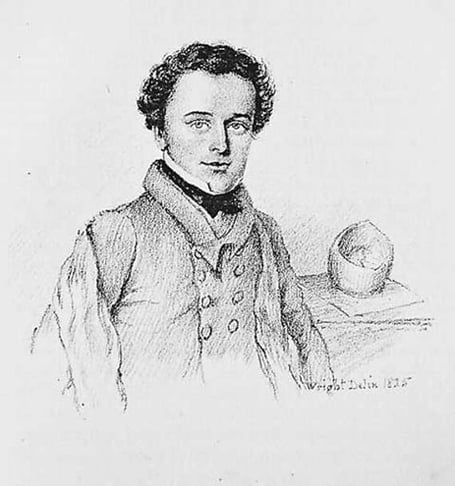
Hawker was in his early twenties and a newly-married undergraduate at Oxford when he wrote The Song of the Western Men in 1825 while staying with his wife, Charlotte, in a cottage on the southern boundary of Morwenstow parish.
It was published anonymously in a Plymouth newspaper, leading many people to think it was a traditional ballad without an author to attribute it to.
Jonathan Trelawny (1650–1721) was one of seven bishops imprisoned in the Tower of London by James II in 1688.
Born at Pelynt into an old Cornish family, his father, the second Baronet of Trelawne, was a supporter of the Royalist cause during the English Civil War. After becoming a priest, he was later appointed Bishop of Bristol.
In Cornwall, the news of the arrest of their bishop was greeted with anger and dismay. In 1688, the seven bishops were brought before the King’s Bench in Westminster Hall and charged with seditious libel. To cheers in Westminster Hall they were acquitted.
The news produced scenes of great joy, and when it reached Cornwall, the church bells of Pelynt rang and the mayor fired the two town cannons.
According to Cornish historian Robert Morton Nance, The Song of the Western Men was possibly inspired by the song Come, all ye jolly tinner boys, which was written more than ten years earlier when Napoleon Bonaparte made threats that would affect trade in Cornwall at the time of the invasion of Poland.
Ye jolly tinner boys contains the line ‘Why forty thousand Cornish boys shall knawa the reason why’.
The song has become an unofficial anthem of Cornwall and is a regular favourite sung at rugby matches and at other gatherings.
The One Show episode containing the Trelawny footage is set to air on or around St Piran’s Day in March.