
The Department of Transport has today (Thursday) announced a new plan for the transformation of Britain’s railways by creating a public body that will have responsibility for both track and trains as well as fares and punctuality of services – though it is keen to stress that this does not mean re-nationalisation of the network.
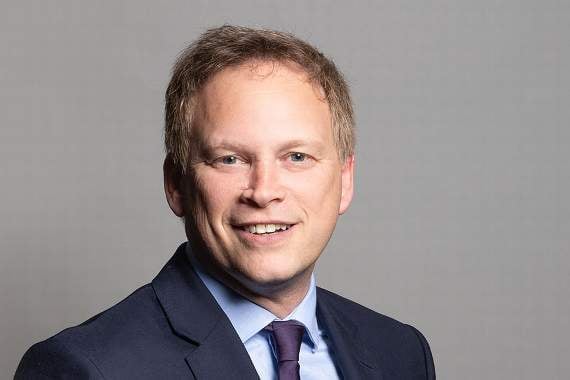
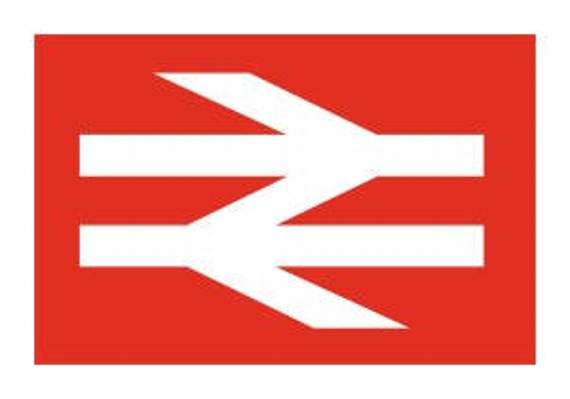
Secretary of State for Transport Grant Shapps does say, however, that the creation of the new public body – to be called “Great British Railways (GBR)” – will see the reappearance of the old British Rail double arrow logo familiar to many from the days before rail privatisation.
The Williams-Shapps Plan for Rail fully reflects the independent recommendations of Keith Williams, to whom Boris Johnson’s Conservative Government says it is grateful for his thorough work since 2018.
Keith Williams had already identified serious issues facing the nation’s railways even before the COVID crisis struck, and the pandemic has since exacerbated some of these and added more.




The Government says it has provided unprecedented support to keep the railways running during the pandemic and adds: “Now, we look to the future – today we are setting out an ambitious plan to ensure that the system is ready to meet these challenges.
“Today’s railway is fragmented – numerous bodies with different incentives led to a lack of joined-up thinking. No single organisation is accountable for integration, planning and leadership across infrastructure, passenger services and freight operations.
“Even before COVID, the franchising model for passenger services had become unsustainable, with multiple failing franchises, delayed competitions and dwindling market confidence. East Coast and Northern [train operating companies] had already failed and the Government had to step in.
“To meet these challenges this Government is introducing the biggest reform to the railway in three decades. We are committed to delivering a rail system that is the backbone of a cleaner, greener public transport system, offering passengers a better deal and greater value for money for taxpayers. That means getting the trains to run on time, providing a better quality of service and having a firm control of the sector’s costs.
“To bring about change on the scale that is needed:
“– We will end three decades of fragmentation by bringing the railways back together under a new public body with a single, national leadership and a new brand and identity, built on the famous double arrow. Great British Railways (GBR) will run and plan the network, own the infrastructure, and collect most fare revenue. It will procure passenger services and set most fares and timetables.
“– We will make the railways easier to use by simplifying fares and ticketing, providing more convenient ways to pay with contactless, smartphone and online, and protecting affordable walk-on fares and season tickets. Rail services will be better coordinated with each other and better integrated with other transport services such as trams, buses and bikes.
“– We will keep the best elements of the private sector that have helped to drive growth. GBR will contract private partners to operate the trains to the timetable it sets. These contracts will include strong incentives for operators to run high-quality services and increase passenger demand.”
In its statement on the http://www.gov.uk"; TARGET="_blank">www.gov.uk website the Department for Transport adds: “The [rail franchise] contracts are not one-size-fits-all, so as demand recovers, long-distance routes will have more commercial freedom to attract new passengers. Freight is already a nimble, largely private sector market and will remain so, while benefiting from the national coordination, new safeguards and rules-based access system that will help it thrive.
“We will grow, not shrink, the network, continuing to invest tens of billions of pounds in new lines, trains, services and electrification.
“We will make the railways more efficient. Simpler structures and clear leadership will make decision-making easier and more transparent, reduce costs and make it cheaper to invest in modern ways to pay, upgrade the network and deliver new lines. The adversarial blame culture will end and everyone across the sector, including train operators, will be incentivised to work towards common goals, not least managing costs.
“These changes will transform the railways for the better. They will also make the sector more accountable to taxpayers and government. Government ministers will have strong levers to set direction, pursue Government policies and oversee delivery to ensure the railways are managed effectively and spend public money efficiently. Great British Railways will be empowered – a single, familiar brand with united, accountable leadership.”
The Government says that these reforms represent a bold new offer to passengers – of punctual and reliable services, simpler tickets and a modern, green and innovative railway that meets the needs of the nation. In summary, it says its ambitious rail transformation programme will deliver 10 key outcomes:
• a modern passenger experience
• a retail revolution
• new ways of working with the private sector
• economic recovery and financial sustainable railways
• greater control for local people and places
• cleaner, greener railways
• bold, new opportunities for rail freight
• increased speed of delivery and efficient enhancements
• skilled, innovative workforce
• a simpler industry structure
The Department for Transport says: “This is not renationalisation, which failed the railways, rather it is simplification. While Great British Railways acts as the guiding mind to coordinate the whole network, our plan will see greater involvement of the private sector – private companies will be contracted to run the trains, with stronger competition to run services.
“Our reforms will also unleash huge new opportunities for the private sector to innovate in areas such as ticket retailing and data that can be used by passengers to better plan their journeys.
“We look forward to building this new vision for Britain’s railways in collaboration with the sector. We are proud to set out plans to support our railways and serve our country with a system that is efficient, sustainable and run in the public interest.”When asked by the Post for its response to the news, a spokesperson for train operating company CrossCountry, which operates services from Cornwall and Devon to Bristol, the Midlands, Northern England and Scotland, said: “CrossCountry welcomes the Government’s ambition for reforms to the rail industry’s structure, creating a customer-focused and sustainable service fit for the future, supporting the customers and communities the railway serves. We look forward to working with the Government as they develop their plans and will ensure these reflect the needs of users of our services connecting the South West to the Midlands and North.”
Also reacting to the Government announcement, Matthew Fell, Chief UK Policy Director of the CBI – which speaks on behalf of 190,000 businesses of all sizes and sectors across the UK – said: “The Williams-Shapps Plan for Rail lays down a significant marker to transform our railways for the better. Not only can these reforms bring real day-to-day benefits to passengers, but they can also play a meaningful role in building the levelled-up, low-carbon economy of the future.
“The new system will be public transport, privately delivered. Implemented effectively, it will see some of the UK’s most dynamic firms working in partnership with the new Great British Railways body to modernise UK rail provision and taking important first steps to make fares simple, transparent and flexible.
“Bringing together track and train, with genuinely independent oversight, should further boost accountability and tackle the current fragmentation which has hampered service improvements. A 30-year strategy offers the stability required for long-term business investment and innovation.
“It’s critical that this blueprint is now backed by swift action – in partnership with industry – to drive the return of passengers to the railways after the pandemic and in the years to come.”