
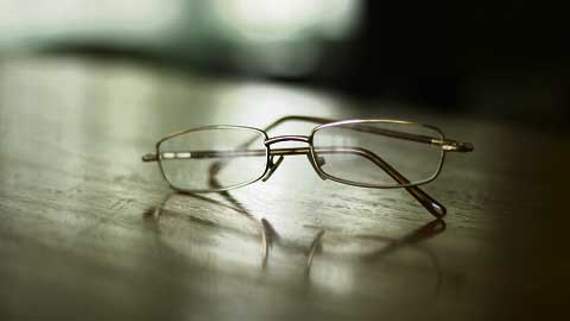
CHILDREN with an undiagnosed eye health condition may face ‘severe’ consequences when it comes to their education and wellbeing, experts at Specsavers in Launceston have warned.
This follows new research showing 41% of parents say their children have not had an eye test at the opticians in the last recommended two-year period.
The data release marked the start of the second national Children’s Eye Health Week on October 23. The initiative was spearheaded by Specsavers to help dispel the confusion around children’s eye care.
The YouGov poll of parents of children aged 18 and under found that more than 30% of parents say their children have never had an eye test at an opticians, with reasons including parents thinking there is nothing wrong with their children’s eyes or that their children were too young.
 Campaign launched to reopen Launceston police desk amid commissioner announcement
 Cornwall road closures: more than a dozen for motorists to avoid over the next fortnight
 Icy New Year's Day causes travel chaos across Devon and Cornwall
 Public Notices: Roadworks scheduled for January confirmed by council
The recommended age for children to have an eye examination is age three and some eye conditions that are picked up during an eye test show no symptoms at all.
Specsavers Launceston ophthalmic store director, Ian Wills, said: “Early detection of any sight issues is critical. Between the ages of four and eight there is a real window of opportunity to identify and treat conditions such a myophia and lazy eye, which can have no outward symptoms. Undiagnosed conditions such as myopia, or short sightedness, can severely impair education and general wellbeing.
“While there is still no concrete evidence as to he negative effects of technology on eyesight, it is telling that so many parents think it could be a contributing factor.
“With that in mind, there is no reason to wait for something noticeably wrong before taking your child for a sight test — do it today.”
Research has shown that in the last 50 years cases of myopia have doubled. Some experts claims excessive close work — for example watching TV, using a PC, tablet of mobile — could be contributing to this increase, but only 55% of parents surveyed would limit screen use after being told it could cause visual issues. However, 57% of parents did admit to having worries about the impacts of technology on their child’s eyesight.
Presenter Rochelle Humes, who is the National Children’s Eye Health Week ambassador, said: “As a mum myself I was shocked to learn so many parents haven’t taken their children for an eye test. My daughter actually really enjoyed hers, there’s nothing to be frightened of so no excuse not to take the test.”
To support National Children’s Eye Health Week, Specsavers in Launceston has contacted local schools to offer ‘SchoolScreeener EZ’ software free of charge. The software is unique in being suitable for use with children as they progress through schooling up to age 18 and includes a colour vision test. A school can register to receive their free kit at screeningforschools.com
Comments
This article has no comments yet. Be the first to leave a comment.