

TODAY’s Spending Review Budget sets out the way ahead for the country following the extraordinary economic challenge faced by many sectors as a result of the ongoing COVID-19 pandemic
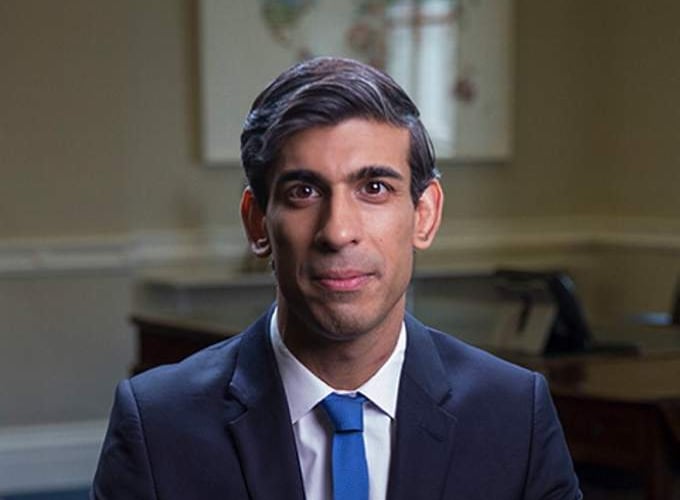
In Chancellor Rishi Sunak’s Budget 2021 he lays out a plan for taxation and spending that will see business rates retained and reformed and the Universal Credit Taper Rate cut to ease the pressure on families.
There is positive news for Cornwall as through UK-wide funds like the UK Shared Prosperity Fund (UKSPF) and the Levelling up Fund (LUF), the government is investing in local priorities across the UK targeted at places in need. As part of this, the Budget and SR reaffirms that total funding through the UKSPF will at a minimum match the size of EU Funds in each nation and in Cornwall, each year.The South West will also benefit from its share of national programmes:• In 21/22, the Government will build six Community Diagnostic Centres in the South West, which expand diagnostic capacity whilst targeting investment at areas of deprivation. They are funding £2.3-billion over the Spending Review period for diagnostics across the country, which can increase the number of Community Diagnostic Centres in regions like the South West over the next three years.• Over £2.6-billion for the UK Shared Prosperity Fund over the Spending Review, focused on helping people into jobs and get on in life across the UK, including giving hundreds of thousands of adults the opportunity to develop their numeracy skills though the Adult Numeracy Programme ‘Multiply’.• £560-million funding over the Spending Review for the Youth Investment Fund and National Citizen Service.• £5-billion for Project Gigabit, rolling out gigabit capable broadband for homes and businesses across the UK.• Up to £90-million for new Community Forests, including in Plymouth and South Devon, helping meet the commitment to plant at least 7,500 hectares of trees every year in England by 2025.• £2.6-billion for local road upgrades over this Parliament including the North Devon Link Road and the A382 Drumbridges to Newton Abbot in Devon as well as confirming programme entry of the A350 Chippenham Bypass scheme in Wiltshire to the Major Road Network programme – which will dual a section of the bypass and improve capacity and safety at two roundabouts with construction expected to start in 2023.• £24-billion strategic roads investments including upgrades such as the A358 Taunton to Southfields and the A417 Air Balloon.Nationwide there will be an increase in fuel duty as a result of the recent pump price rise, tax relief is being extended for two years for the arts sector including museums and galleries and core science funding will rise to £5.9-billion a year by 2024/25.
There is also an extra £2.2-billion being set aside for courts, prisons and probation services, schools will get an extra £4.7-billion by 2024/25 and the planned rise in the duty on spirits, wine, cider and beer will be cancelled.




A 4% levy on property developers with profits over £25-million rate will help create a £5-billion fund to remove unsafe cladding while £24-billion is being earmarked for housing — with £11.5-billion for up to 180,000 affordable homes, with brownfield sites targeted for development.
In response Russell Glimstead, regional director of Barratt David Wilson Homes South West, said: "We welcome the support for housebuilding, increased investment in the planning system and the opening up of more sites on derelict and brownfield land. It is vital that we continue to increase housing supply to tackle the country’s shortage of homes, helping to create jobs and economic growth. Equally, it is really positive to see support for improving the efficiency and sustainability of new homes — we are helping to lead this with the new Z House."
In the Post area MP for North Cornwall Scott Mann said: “Today’s Spending Review delivers on our commitment to schools, with an extra £4.7-billion by 2024/25.
“On top of the £14-billion we announced at Spending Review 2019, this will lift real terms per-pupil spending to historic levels.”
Mr Mann said he was pleased to see there were to be “historic reforms to social care” and welcomed the support for families added: “We’re investing £500-million in expanded support for children and families, including £300-million for local authorities to transform services in new local Family Hubs.”
The Budget also announced a 50% reduction in business rates for the country, which Mr Mann said was an “enormous vote of confidence by the government in North Cornwall’s small businesses”, he continued: “I made representations to the Treasury outlining the difficulties with the existing rates system the pandemic has exposed, so I am glad these tax cuts have been put in place. These changes will help our local businesses continue bouncing back from the pandemic in the months and years ahead.”
As part of this year’s budget the national living wage is set to increase, providing £1,000 a year extra in the back pockets of workers, while the Universal Credit taper rate is to be cut from 63% to 55%.
In response Mr Mann has said he is “glad” to hear this news and feels it is a positive for his local area. He said: “I have been written to about this and we are glad that this reduction has taken place. For working families in North Cornwall, we are cutting the Universal Credit Taper Rate not by 1%, not by 2% — but by 8%. From 63p to 55p.”
Adding: “Throughout the last six years, I have been North Cornwall’s Member of Parliament I have said that it should always be better to be in work than out of work. This minimum wage increase will see £1,000 a year extra in the back pockets of workers on lower pay and demonstrates our commitment to a fair day’s pay for a fair day’s work.”
However, Katie Schmuecker, deputy director of policy and partnerships at the Joseph Rowntree Foundation, an independent organisation working to inspire social change through research, policy and practice, said: "This is a tale of two Budgets for families on low incomes. For those in work, the change to the taper rate and work allowance, alongside the National Living Wage increase, are very positive steps, allowing low-paid workers to keep more of what they earn. Together these measures improve our social security system for working families and demonstrate a serious intent to turn the tide on the pre-pandemic trend of rising in-work poverty.
“But the reality is that millions of people who are unable to work or looking for work will not benefit from these changes. The Chancellor’s decision to ignore them today as the cost of living rises risks deepening poverty among this group, who now have the lowest main rate of out-of-work support in real terms since around 1990.
“Among the people in our society who cannot work are cancer patients, people with disabilities and those caring for young children or elderly parents. Their energy bills and weekly shop are going up like everyone else’s and they face immediate hardship, hunger and debt in the months ahead. The Chancellor had an opportunity to support families on the lowest incomes to weather the storm ahead, and he did not take it.”Tell us what you think of the Budget, email [email protected]
Comments
This article has no comments yet. Be the first to leave a comment.