
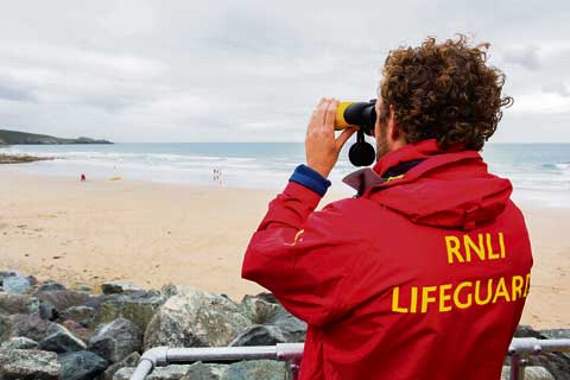
From October 1-2, 8-9, 15-16 and during the half term week from October 22-30, lifeguards will cover Watergate Bay, Polzeath and Widemouth, Woolacombe, Croyde, Bantham, Praa Sands, Sennen, Porthmeor, Gwithian, Porthtowan and Perranporth.
Fistral beach, Newquay will have lifeguard cover every day in October and voluntary patrols at weekends in November. At Mawgan Porth, the RNLI will run advisory patrols during the half term week to give safety advice.


-Rebecca-Marks-and-Ross-Hancock-showcase-the-Cornish-Pirates-departure-lounge-takeover.jpeg?width=209&height=140&crop=209:145,smart&quality=75)

Steve Instance, senior RNLI lifeguard manager, said: “It has been a very busy season for our lifeguards; we have seen huge numbers of people coming to beaches in the South West over the summer. Each year, RNLI lifeguards deal with a whole range of things, from sea resuces, to first aid incidents and lost children. Our lifeguards have worked really hard and have once again done a fantastic job of keeping people safe at the coast this summer.
“As in previous years, patrols on some of the busiest beaches will be extended into October, so where possible, we would encourage people heading to the coast at weekends and during half term to visit these lifeguarded beaches.
“Those who can’t make it to a lifeguarded beach can help keep themselves safe by taking note of the safety signage at the entrance to the beach, going with a friend or telling someone on the shore where they are going, and being aware of the conditions and their own capabilities in the water.”
He added: “Autumn can see big spring tides and bigger swell around the coast. People walking on the coast should always check the tide times before setting out and carry a means of communication. The bigger swells mean more unpredictable rip currents in the water, so people should take extra care.
“Anyone in difficulty in the water should try not to panic or fight against any currents, hold onto anything buoyant they have, call for help and raise their hand to attract attention and try to keep their head above water.”
The RNLI’s advice is not to enter the water if spotting a person in trouble, but to call 999 and ask for the coastguard.
Comments
This article has no comments yet. Be the first to leave a comment.